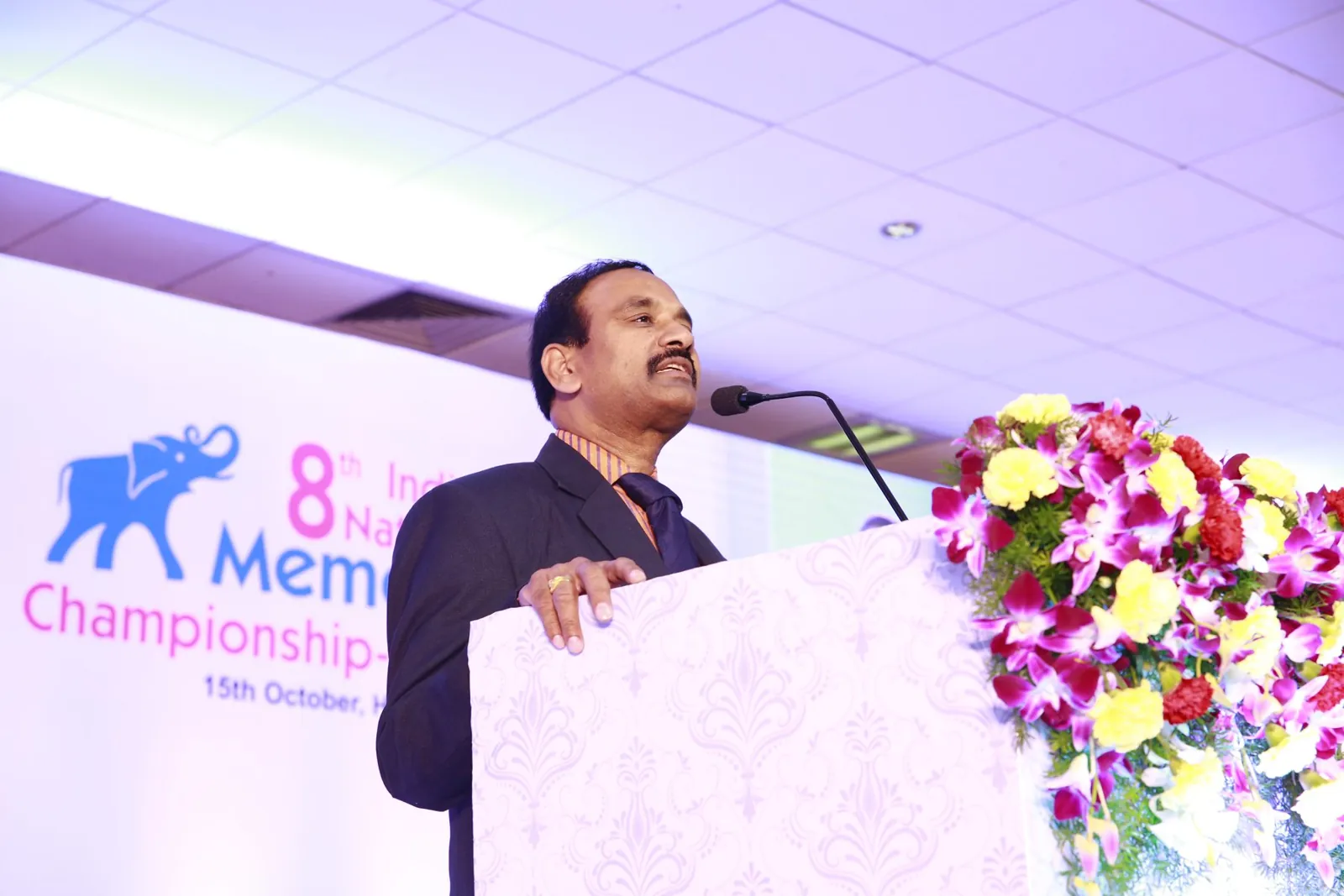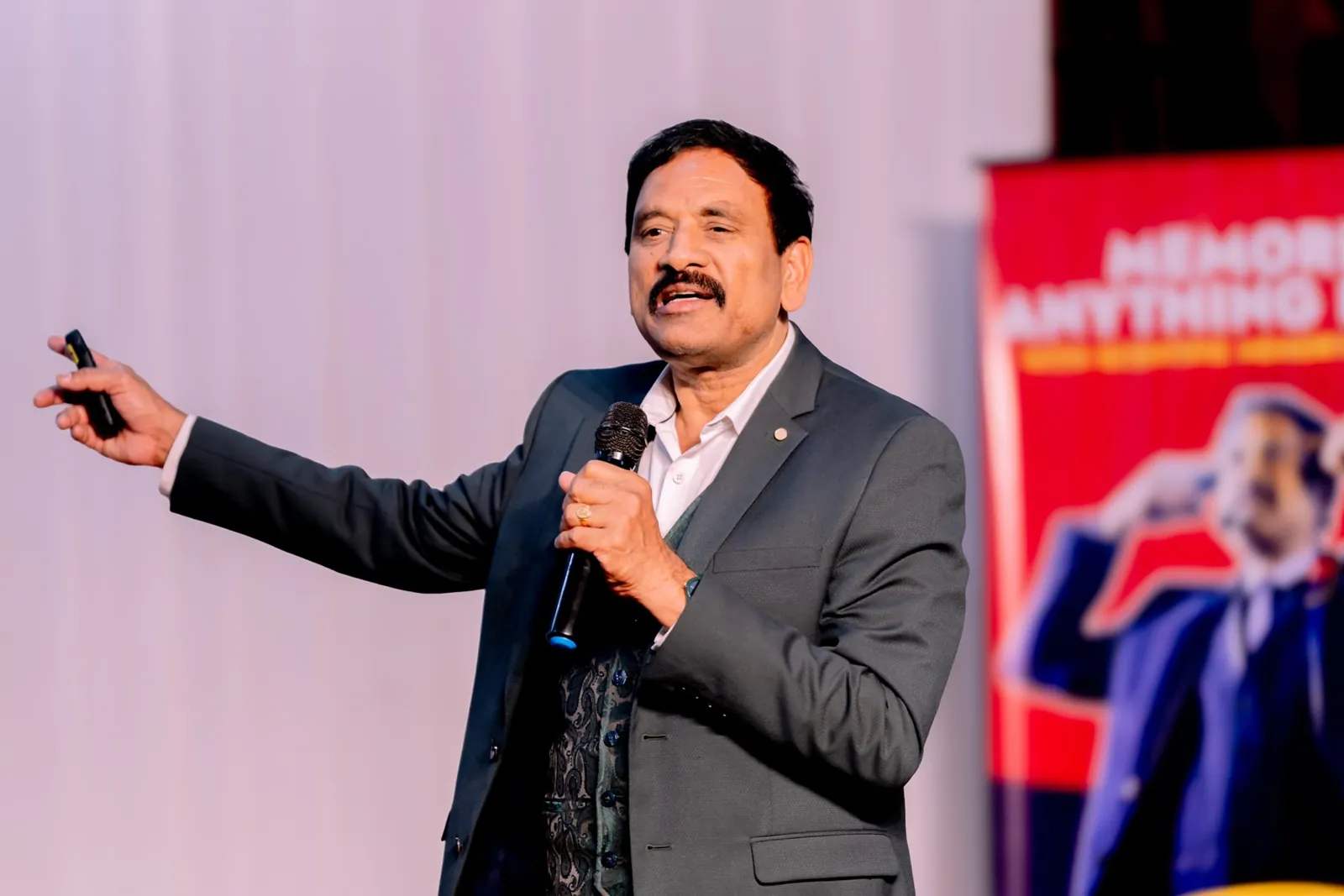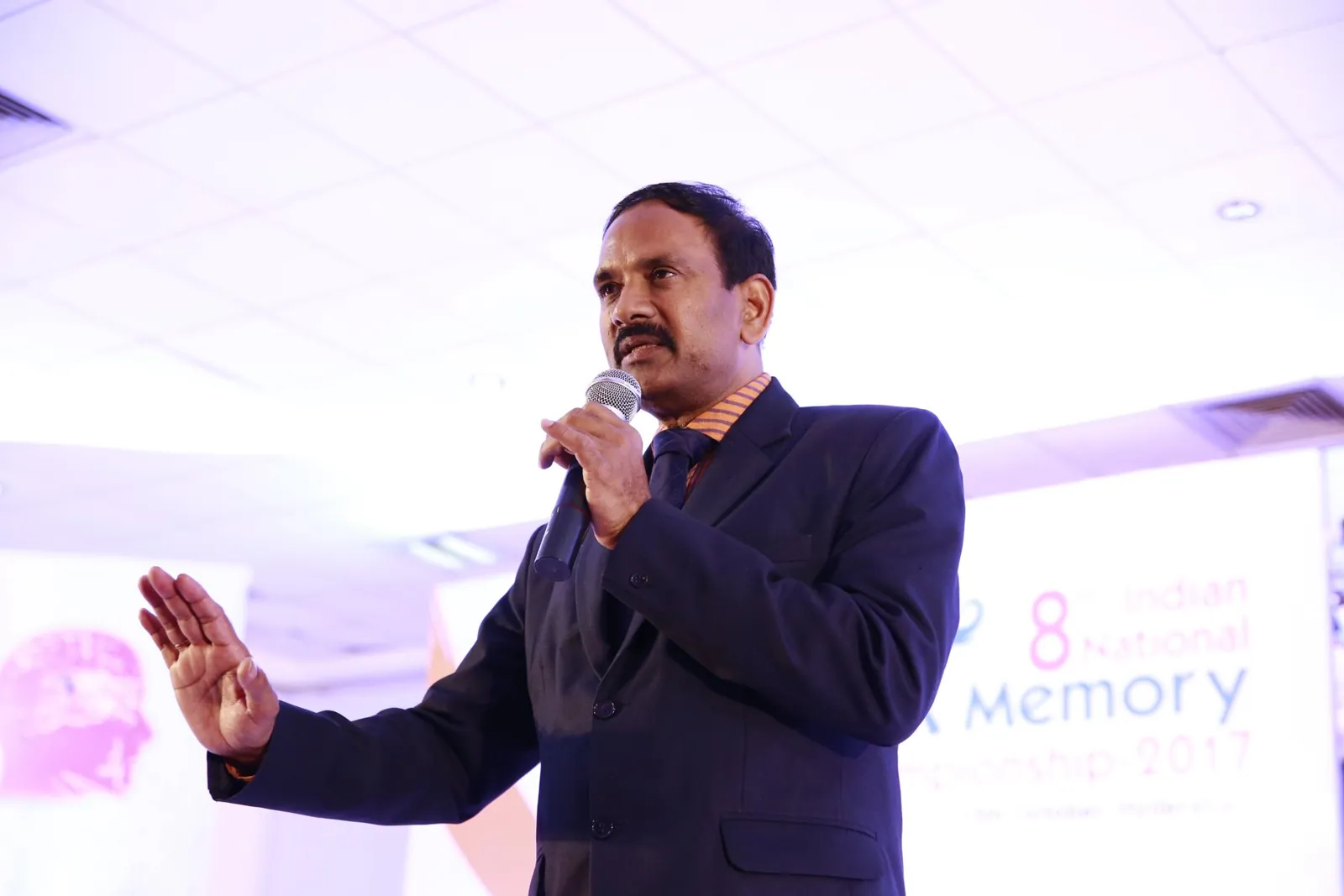
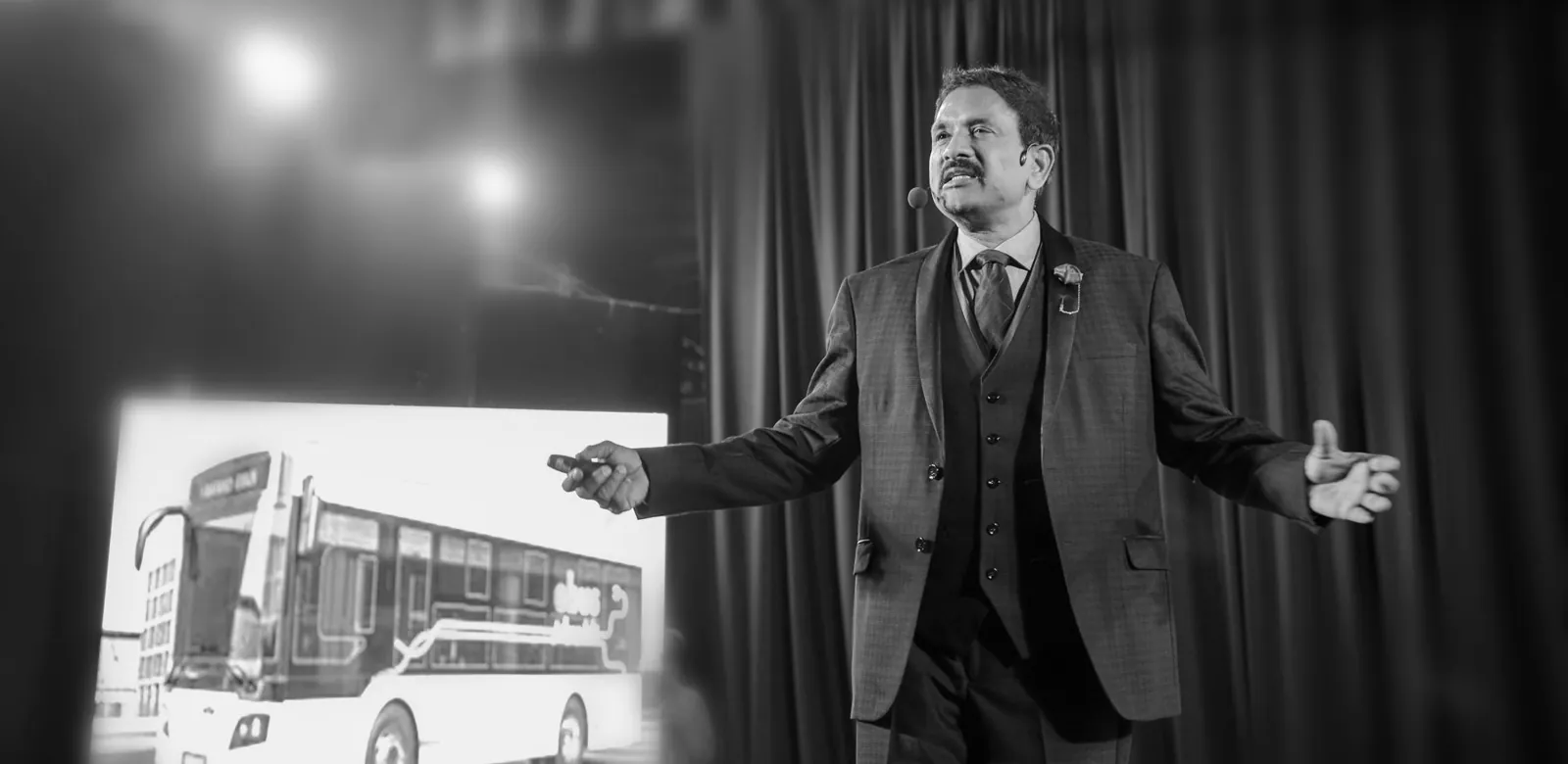
I conduct a five day Train Your Brain memory seminar. It is four hours a day, twenty hours in all. And I never use a single note.
People ask me how. They imagine I have memorised twenty hours of words. I have not. I do not memorise my speech. I file the major thoughts onto my files, and I move from one file to the next.
That is the secret of the chapter on long speeches in Memory Power. Do not recall it word for word. Use brain triggers.
Why this matters
The book mentions a survey where the number one fear among people was public speaking. Even the fear of death came second. If you have ever stood on a stage with your knees shaking, you will believe it.
When you speak without notes, you keep eye contact, you look confident and people believe you know your subject. That builds your credibility and your self esteem. For a student, it means a better school speech, viva or seminar. For a professional, a better presentation.
An example: a speech on time management
Here are the ten pictures from the book, filed on the first two rooms of the house files. Each one is a trigger for a main point.
- A clock behind a gate. This is your opening, time management.
- A day planner. You talk about being organised and using a day timer.
- A to do list. You explain why writing out a list each morning means the day does not happen around you.
- A goal post. You must set goals, with a deadline and clear objectives.
- A VIP, and the book uses Abdul Kalam. This stands for importance. Prioritise every item on the list.
- Delhi and a gate, the India Gate. Together they sound like delegate. Share your work.
- A joker. Set time aside for fun. Let your mind relax.
- A calendar. Keep a regular schedule. Wake up at the same time and make a routine.
- A work room. Create a special place away from distraction where you only work.
- A blueprint with glue on it. Recap the speech. Have a plan and stick to it, as if glued.
Notice what happens. The picture is a small cue. Once you see the VIP, the words come to you on their own, because you know your subject. You are not reciting. You are talking.
How to build your own
Take your speech and cut it into logical parts. Give each part one keyword. Turn each keyword into a picture. If the word is abstract, use a sound alike, as in Delhi and gate for delegate. Then file the pictures in order on your files and link them as a list.
That way you always know what to talk about next. And if you forget a sentence, you will not be lost, because the next picture is waiting.
The same method sells
The book also shows the steps of a sales presentation filed on the skeleton files. A handshake for the introduction. Statistics. A professional giving an opinion. Asking questions. Filling a need. A demonstration. Features and benefits. Testimonials. Investment. A call to action. Ten steps, ten pictures.
If you miss a point after practice, ask yourself two questions. Did I know my file? Was my picture clear enough? I like what Mr. Edison said when a reporter asked how he felt about failing ten thousand times. He said he had found ten thousand ways how not to make a bulb. Learn from each slip, and fix the picture.
Do not memorise it word for word
Many students and young managers ask me whether they should learn every sentence by heart. I say no. If you forget one word in a memorised speech, you may freeze. With triggers, you only need the next picture. You can use new words each time, and your talk sounds natural, because it is.
A small practice
Take a talk you have to give next week. Write ten keywords. Draw a small picture beside each. File them on your house. Walk through the house once in your mind, and say the first point aloud for each picture. Do it three times and you are ready.
This is one idea from my book Memory Power.