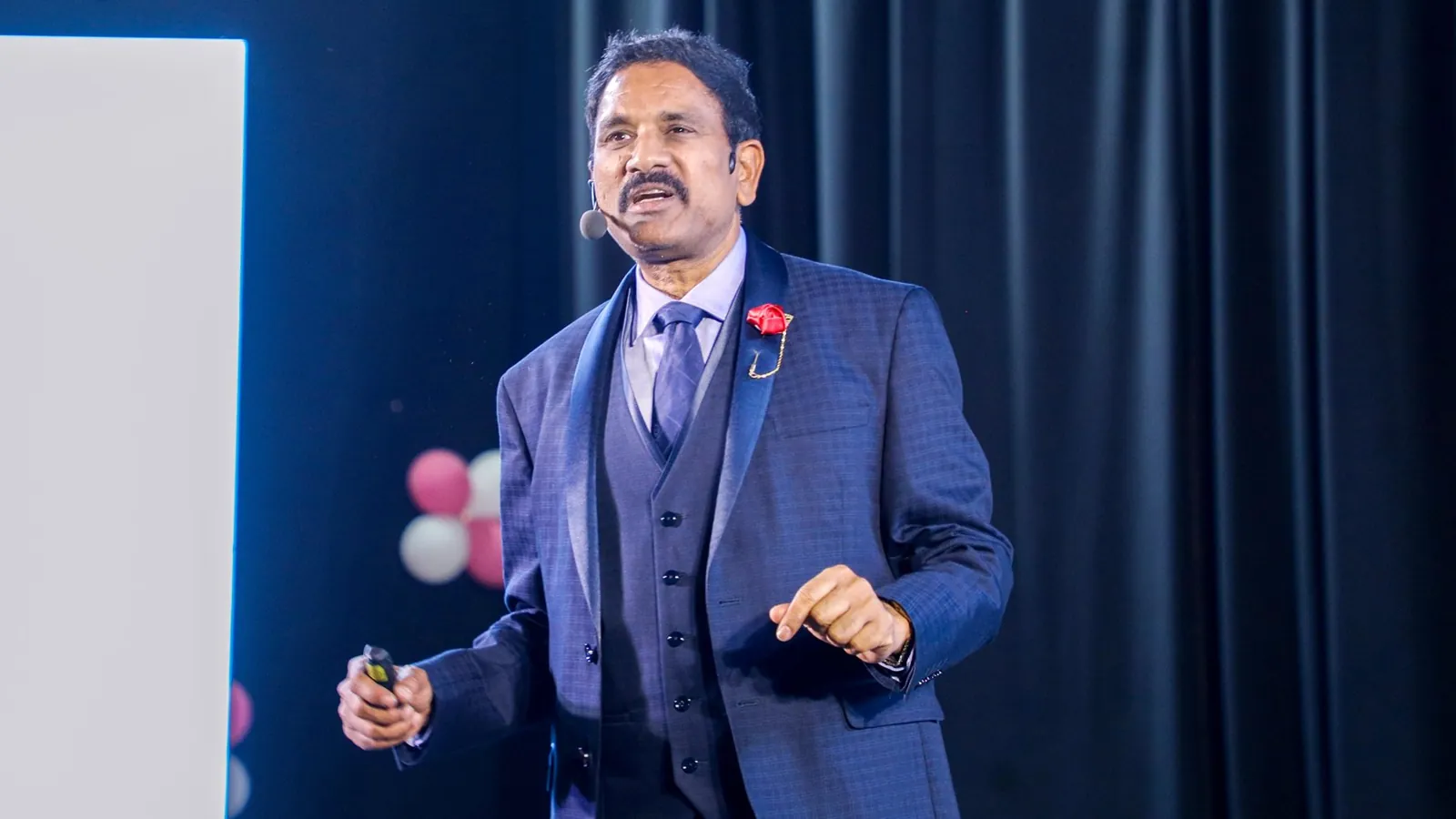
You may be an expert in your field. You may have read everything about the company. But if you walk into the room slouching, with loose papers in your hand and a phone that rings, the interviewer's mind is half made up.
In my book I say it is usually the first few minutes that help an interviewer make up his mind. Everything you say or do after that only reinforces the impression. So let us get these minutes right.
Before you enter
Sleep well the previous night. Red eyes and a drowsy face will not help you. Reach the venue 15 to 20 minutes early. Even if many candidates are called, do not go late thinking your turn will come at the end.
Switch off your mobile completely. An interview must never be interrupted by your phone.
What to wear
Dress smartly, but dress the way you normally do. In the book I say, do not wear clothes that look like they came out of your grandfather's wardrobe. And do not wear anything new for the first time on the interview day. It may itch or pinch. Wear it a few times before.
If you do not know the dress code, it is better to be formal than informal. For men, that means plain dark trousers, a plain formal shirt and polished formal shoes. No loud ties, no cargo pants, no un-ironed clothes, ever. For women, the same rule of being sober applies. If you wear a saree, pin the pallav properly. If you wear a salwar kameez, have a dupatta and pin it down, otherwise you will spend the whole time adjusting it. Wear what you are comfortable in. An unfamiliar outfit will make you fidget.
Keep a comb and a small cloth for your shoes. Avoid heavy, spicy food before the interview, the kind that smells for hours. A little saunf helps. And do not worry so much about your looks that you become self-conscious. Once you have checked yourself, forget it.
Your folder
This is a small thing that makes a big difference. Never carry loose sheets. Keep everything in a proper folder with separate sections for your resume, mark lists, college certificates and experience certificates. Label every section. If you shuffle papers looking for a certificate, you look clumsy.
Also carry a notepad and two good pens. You should never have to borrow a pen at the gate or on the interviewer's table.
Walking in
- Knock if the door is closed. If it is open, ask permission. Close the door behind you.
- Walk erect, at an even pace, with your head up and a pleasant face.
- Give a firm handshake with your hand held straight, neither palm up nor palm down. A palm facing down says you want to control. A palm facing up looks too docile.
- Sit straight, or lean slightly forward. Do not lean back.
- Keep your hands in your lap or on the armrest. Not on the table, not crossed, no playing with fingers.
- Do not cross your legs or shuffle your feet.
Look at the interviewer in the eye, whether you are speaking or listening. To avoid a fixed stare, look away now and then, but not far, as if you are bored.
Match the person in front of you
Now the most useful technique in the whole book. I call it personality matching. People like people who are like them. If you match the interviewer's pace and tone of speaking, and gently reflect his mood and posture, rapport builds on its own.
But there are rules. Do not copy every action. If he twirls a pen, you do not twirl a pen. He will think you are mocking him. And never fake a personality outside your own range. If he talks very fast, do not race. Just speak a little faster than usual, and be enthusiastic even if you are nervous.
The other half of rapport is listening. When he talks, stay quiet and show you are following. "I see" or "That's very impressive" is enough. When he asks a question, let him finish before you reply. Never interrupt, even to clarify.
Try this tonight
- Pack your folder with labelled sections. Two copies of everything, in the order you may be asked.
- Lay out the clothes you will wear. Check they are ironed, and that you have worn them before.
- Stand in front of a mirror and practise walking in, saying "May I come in?", and sitting.
- Ask a friend to talk to you for two minutes. Practise matching his speed and tone without copying his gestures.
None of this needs money. It needs a little time and discipline. I have seen candidates with average marks get the job because the room warmed to them in the first minutes.
This is one chapter from my book Get That Dream Job.