Get That Dream Job.
Resumes, interviews, group discussions and telephone interviews. By Squadron Leader Jayasimha.
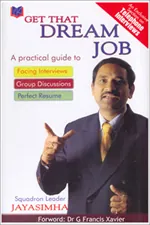
Get That Dream Job is a practical guide for anyone about to face the job market. Squadron Leader Jayasimha takes you from the first line of your resume to the last handshake of your interview. You will learn to write a resume and cover letter that get noticed, research a company before you walk in, handle tough questions calmly, speak well in a telephone interview and hold your own in a group discussion. It is written in simple language, with checklists and worked examples.
You will learn to
- Build a one or two page resume with a strong name line, a clear career objective and specific job details
- Write a short, personal cover letter and send your application with the right subject line and file name
- Research a company, and visit the venue, before the interview day
- Walk into the room well dressed, well organised and able to build rapport with the interviewer
- Answer difficult questions about gaps, job changes, salary and weaknesses without blaming anyone
- Handle telephone interviews and group discussions with a clear voice and calm, courteous arguments
Who this book is for
- Final year students and fresh graduates preparing for campus placements
- Job seekers changing careers, or coming back after a gap
- Anyone who has the skills but struggles to say them well in an interview
So remember, proper preparation prevents poor performance.
Your name should have pride of place in your resume.
What the employer wants to know is what you can do for him and not what the job can do for you.
What is inside.
- Introduction to Resumes
- Resume Design
- Types of Resumes
- Resume Precautions
- Things Not to Do in a Resume
- The Cover Letter
- Resumes and the Internet
- Introduction to Interviews
- Intricacies of an Interview
- Understanding the Organization and Its Requirements
- Analyzing Yourself
- Presenting Yourself and Striking a Rapport
- Responding to Questions and Handling Difficult Situations
- Concluding the Interview
- Frequently Asked Questions (FAQs)
- Interviews on the Telephone
- How to Handle an Interview on the Telephone
- The Three Steps to Success in a Telephone Interview
- Telephone Interviews: Types of Responses
- Evaluation and Analysis
- Group Discussions
- Understanding the Procedures and Objectives of a Group Discussion
- Preparing for a Group Discussion
- Presenting Your Case at the Group Discussion
- Evaluating Your Performance in a Group Discussion
- A Final Word